
"coffee bag colors"
4000 article(s) found
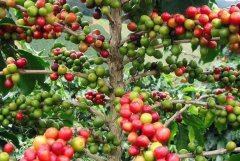
Coffee quality grading-- coffee bean grading high-grade coffee how to distinguish coffee bean quality
There is no internationally accepted standard for coffee quality grading, and the grading method varies from country to country. Therefore, coffee classification is based on some of the characteristics applicable to each producing country. The sample of coffee beans taken from a bag is judged according to the standards of the producing country, the samples are rated, and most of the coffee is good or bad according to the evaluation.

Coffee beans Asia and India
Slippery and delicious coffee with uniform granules. There are several reasons why Indian coffee is so popular with coffee hobbies, but the most important one is a process used in coffee beans, often called the monsooning process. In the past, passengers or goods sailed to and from India, which took about several months to reach Europe. In transit due to
The most popular coffee in Asia, Indian coffee.
Slippery and delicious coffee with uniform granules. There are several reasons why Indian coffee is so popular with coffee hobbies, but the most important one is a process used in coffee beans, often called the monsooning process. In the past, passengers or goods sailed to and from India, which took about several months to reach Europe. In transit due to

Coffee and its products-- terminology (2)
Pulper--mipped bean cut or scraped wet processed coffee beans, often with brown black scars. 3.20 Brown coffee beans brown bean brown-black coffee beans. 3.21 White coffee beans white bean are simply called white beans, that is, coffee beans with a white surface. 3.22 Amber beans amber bean yellow coffee beans

Ethiopia where coffee beans are produced Brand flavor Manor production area introduction
Ethiopian coffee grows in the plateau of western Ethiopia at an altitude of 4900-5900 feet (Wollega Province), north of Jima. Most of it is wild, with an annual yield of about 500000bags/60kg. Most of the exports are G5/G4. The beans are larger and longer than Longberry. The green color is a little brown. The taste is similar to jasmine tea. It is bitter, lacks the rising hala, slightly sour, and has a slight fruit fragrance and wine fragrance.

Taste of Mexican Coffee introduction to the characteristics of Aldura Coffee in Manor area
After the workers picked the coffee beans, they spread the coffee beans in a special house with ventilation on all sides. About a week later, the coffee beans were packed in loosely packed bags so that the wind could blow through the bags. After about seven weeks, the coffee beans changed color and taste. Finally, these coffee beans are selected manually, and the coffee beans of high quality are selected and officially bagged for preservation. Aldumara coffee beans
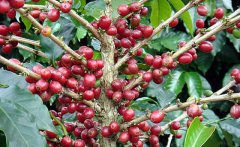
Indian coffee flavor Indian monsoon coffee beans
Slippery and delicious coffee with uniform granules. There are several reasons why Indian coffee is so popular with coffee hobbies, but the most important is a process used in coffee beans, often called the monsooning process. In the past, passengers or goods sailed to and from India, which took about several months to reach Europe. In transit due to
India India, a coffee producer in Asia
Slippery and delicious coffee with uniform granules. There are several reasons why Indian coffee is so popular with coffee hobbies, but the most important one is a process used in coffee beans, often called the monsooning process. In the past, passengers or goods sailed to and from India, which took about several months to reach Europe. In transit due to

Tricheli and Maral Indian coffee in Kerala
Slippery and delicious coffee with uniform granules. There are several reasons why Indian coffee is so popular with coffee hobbies, but the most important is a process used in coffee beans, often called the monsooning process. In the past, passengers or goods sailed to and from India, which took about several months to reach Europe. In transit due to
Indian monsoon coffee beans are slippery and delicious, with even granules.
Slippery and delicious coffee with uniform granules. There are several reasons why Indian coffee is so popular with coffee hobbies, but the most important is a process used in coffee beans, often called the monsooning process. In the past, passengers or goods sailed to and from India, which took about several months to reach Europe. In transit due to
Slippery, delicious coffee with uniform particles, Indian coffee.
There are several reasons why Indian coffee is so popular with coffee hobbies, but the most important one is a process used in coffee beans, often called the monsooning process. In the past, passengers or goods sailed to and from India, which took about several months to reach Europe. In transit, due to the high air humidity, the taste of raw coffee beans
Starting with Coffee beans (43)-Asia-India
Slippery and delicious coffee with uniform granules. There are several reasons why Indian coffee is so popular with coffee hobbies, but the most important one is a process used in coffee beans, often called the monsooning process. In the past, passengers or goods sailed to and from India, which took about several months to reach Europe. In transit due to

Indian Coffee-Mystery Coffee of Mystery Country
Indian coffee is loved by coffee lovers for several reasons, but the most important is due to a process applied to coffee beans, commonly known as monsoon in R. In the past, passengers or cargo travelling to and from India on sailboats took months to reach Europe. The taste of raw coffee beans during transportation due to high air humidity

Introduction of Indian Coffee Asian Coffee Bean producing countries
There are several reasons why Indian coffee is so popular in coffee hobbies, but the most important one is a process used in coffee beans, often called the monsooning process. In the past, passengers or cargo sailed to and from India, which took months to reach Europe. In transit, due to the high air humidity, the taste of raw coffee beans and
Coffee producing area Coffee introduction to Indian Coffee
Slippery and delicious coffee with uniform granules. There are several reasons why Indian coffee is so popular with coffee hobbies, but the most important one is a process used in coffee beans, often called the monsooning process. In the past, passengers or goods sailed to and from India, which took about several months to reach Europe. In transit due to

The method of making Viennese coffee how to make Viennese coffee
Viennese coffee production method: 1 cup of hot coffee, right amount of fresh cream, right amount of chocolate syrup, a little colorful rice, sugar packet. Step 1, pour the coffee into the cup, about 8 minutes full; 2, add whipped cream on top of the coffee; 3, sprinkle with appropriate amount of chocolate syrup; 4, sprinkle with colorful rice and put on the table with sugar. Making key chocolate syrup and
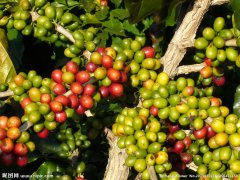
Slippery and delicious, even-grained coffee is loved by all coffee hobbies.
Slippery and delicious coffee with uniform granules. There are several reasons why Indian coffee is so popular with coffee hobbies, but the most important is a process used in coffee beans, often called the monsooning process. In the past, passengers or goods sailed to and from India, which took about several months to reach Europe. In transit due to
Coffee Common sense-- purchase and Preservation of Coffee beans
Freshness is the life of coffee how to determine the freshness of coffee beans there are three steps: smell, see, peel.

How to preserve coffee beans
Coffee bean freshness discrimination has a knack nose smell: fresh coffee beans smell strong fragrance, otherwise tasteless or bad smell. See: good coffee beans are complete in shape and rich in size. Otherwise, the shape is incomplete. Hand Press: Fresh coffee beans are crispy when pressed, and there is fragrance floating out when cracked. Color: Dark black coffee beans, brewed coffee with bitter taste; yellow coffee beans
The Origin of Coffee in the World an introduction to the coffee bean producing areas in Ethiopia
Ethiopia is the hometown of Arabica coffee, and it is in the forests of Kaffa that you can see wild Arabica coffee. In Ethiopian, coffee is called Bun or Buna, and coffee beans (coffeebean) may be translated from Kaffa Bun. Arabica coffee was discovered early in the Harar area and is likely to come.